
Bulldogs 101:
About the Breed
What every prospective owner should know.
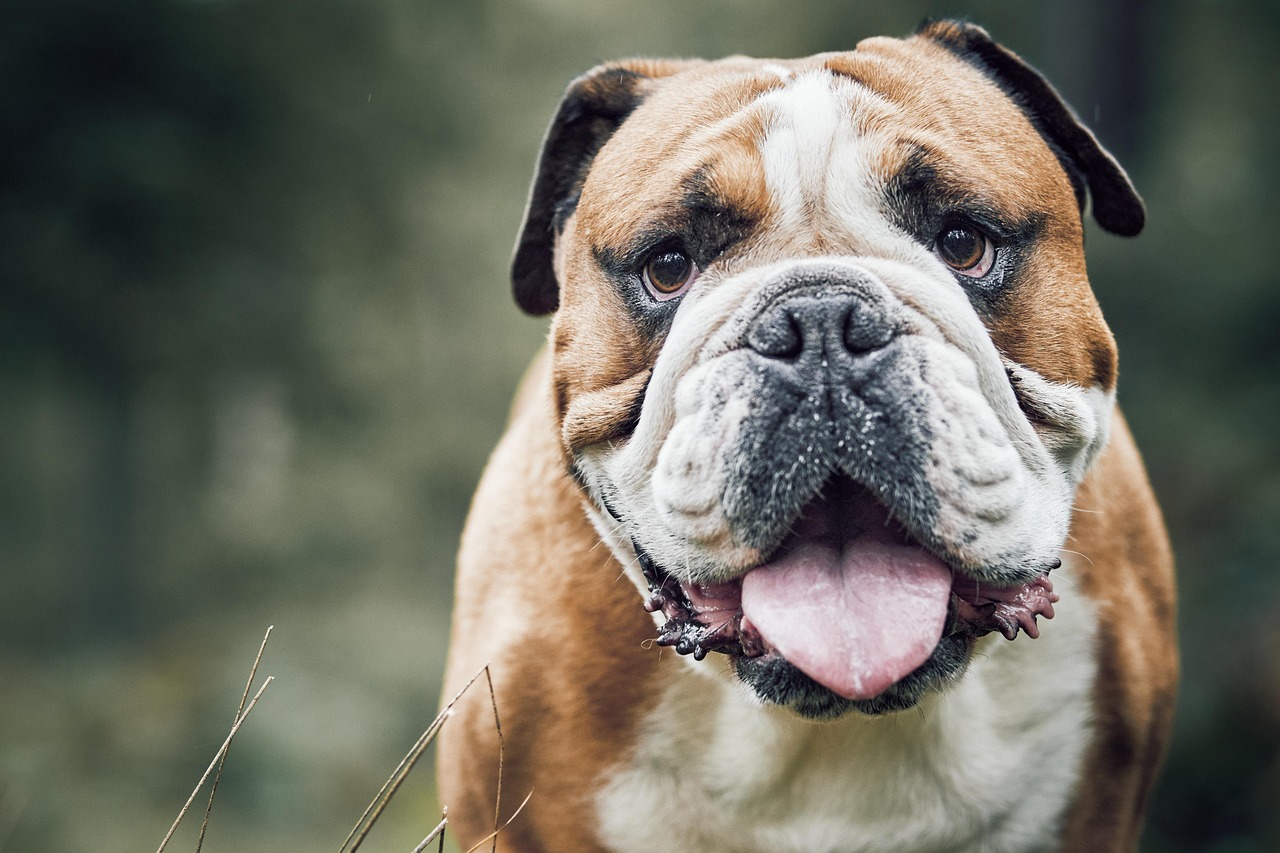
According to the American Kennel Club, bulldogs are one of the top five most popular dog breeds in the United States. Bulldogs are more recognizable than any other breed – they are beloved mascots of some of our favorite sports teams and the United States Marine Corps. There is no other breed that is more admired than the bulldog. Bulldogs are known for their loyalty, determination, stubbornness, protective instinct, strong personality, and unwavering companionship.
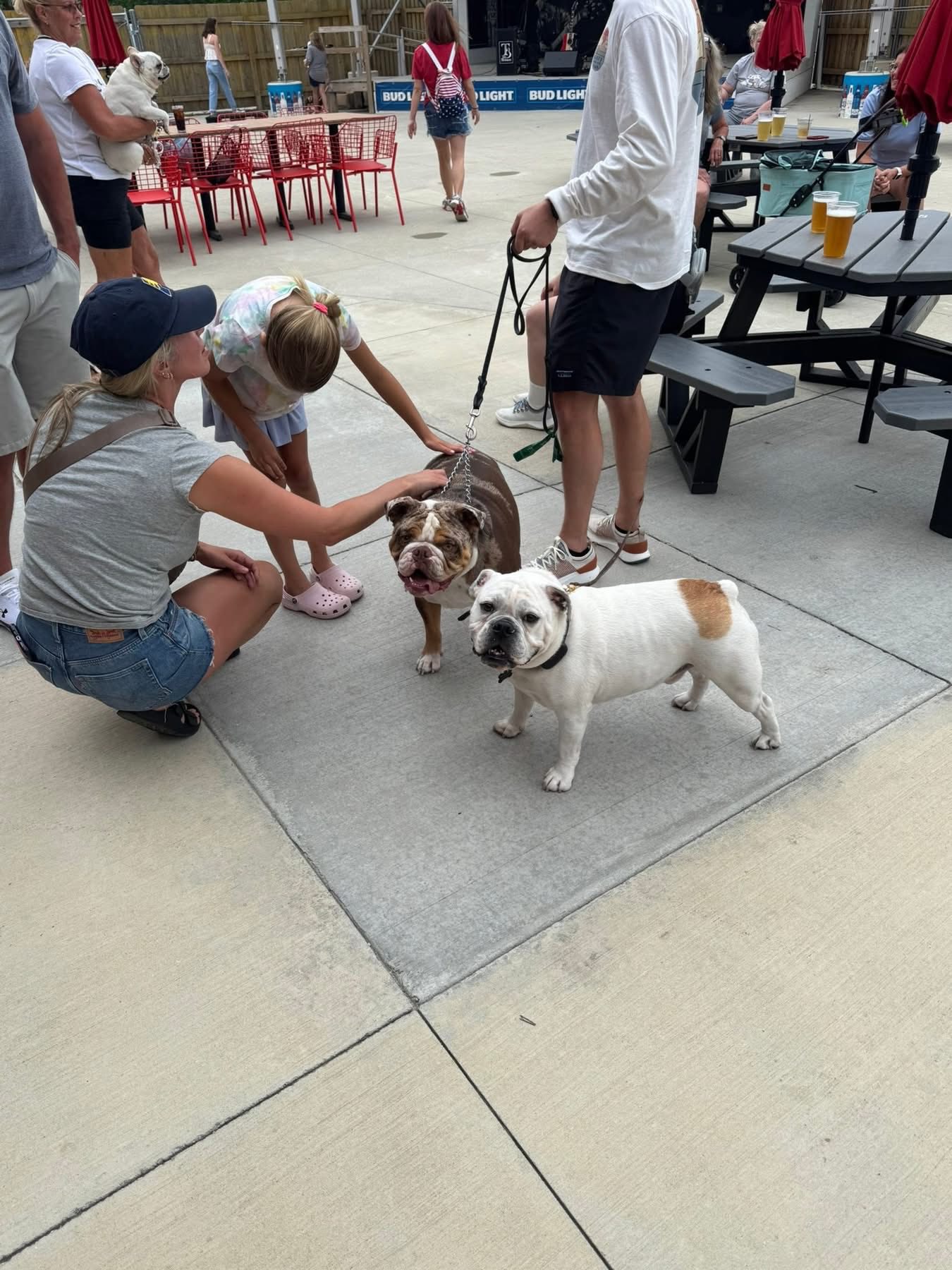
While the bulldog is most commonly recognized by their wrinkled snout, distinctive under bite, bow legs and stocky stature, bulldogs come in all shapes and sizes. The most common types of bulldogs are the English Bulldog, the French Bulldog, the American Bulldog, the Victorian Bulldog and the Olde English Bulldog.
Centuries ago, bulldogs were bred to guard, control and bait bulls, practices that became illegal in the 1800s. Despite their sporting past, the bulldog has evolved drastically over time. Bulldogs are now loyal house pets.
Before welcoming a bulldog into your family please take a moment to consider the following:
Expenses
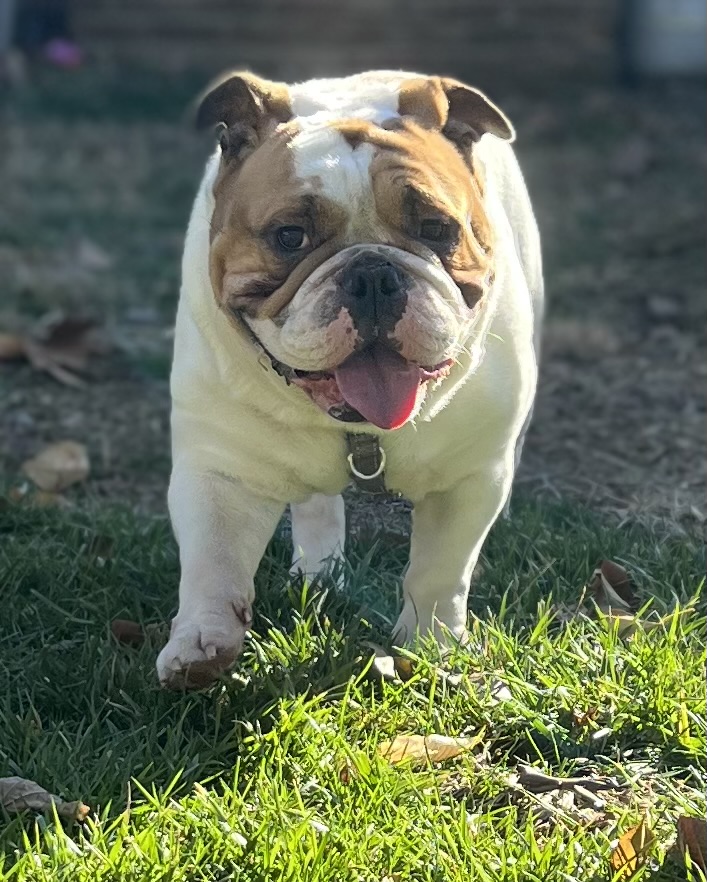
- Bulldogs are very expensive. They are not just expensive to purchase, they are more expensive than any other breed to maintain.
- In addition altering your bulldog and yearly vaccinations and tests, many bulldogs require costly surgeries that other breeds do not require such as soft palette reduction which allows them to breathe more easily and entropion surgery which relieves the dog’s eye from their eyelid that rolls inward.
Physical Traits
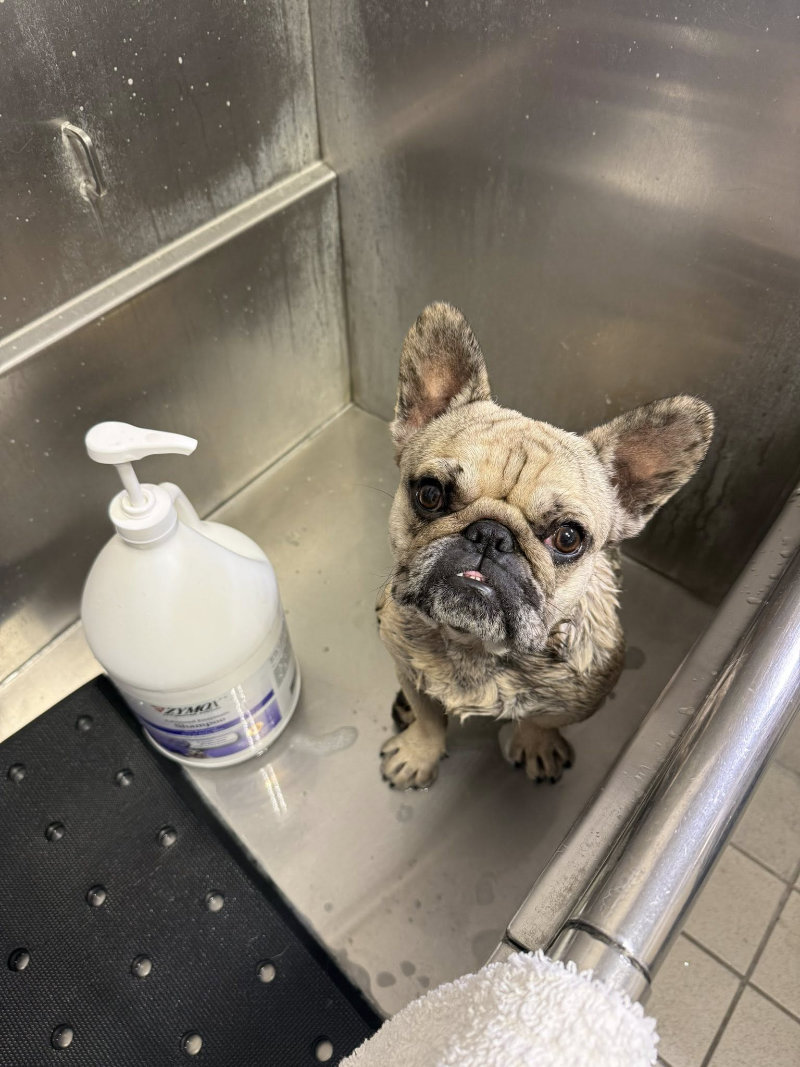
- Due to their physical makeup, they require daily care including cleaning of their nose ropes (their wrinkles), tail pocket (the area around their cork-screw tail) and their ears.
- Bulldogs cannot swim. Their short legs and large upper body cause them to sink. Bulldogs should never be left unattended or off leash near a pool or body of water.
- Bulldogs are intolerant of warm weather, and may die if overheated. Too much exercise or stress can make it difficult for them to breathe. Do not leave them in cars, even on mildly warm days. Without exception, Bulldogs must live indoors, and need air conditioning.
Medical
- Because of their broad shoulders, large chest and narrow gate, bulldogs are prone to joint pain, hip dysplasia and knee problems. Many bulldogs battle these problems from an early age. A joint supplement is recommended for the life of your bulldog.
- Bulldogs are known to have allergies – all year long and to many different things. A high-quality, grain-free food is recommended. Many bulldogs are on a constant regiment of allergy medication throughout the year.
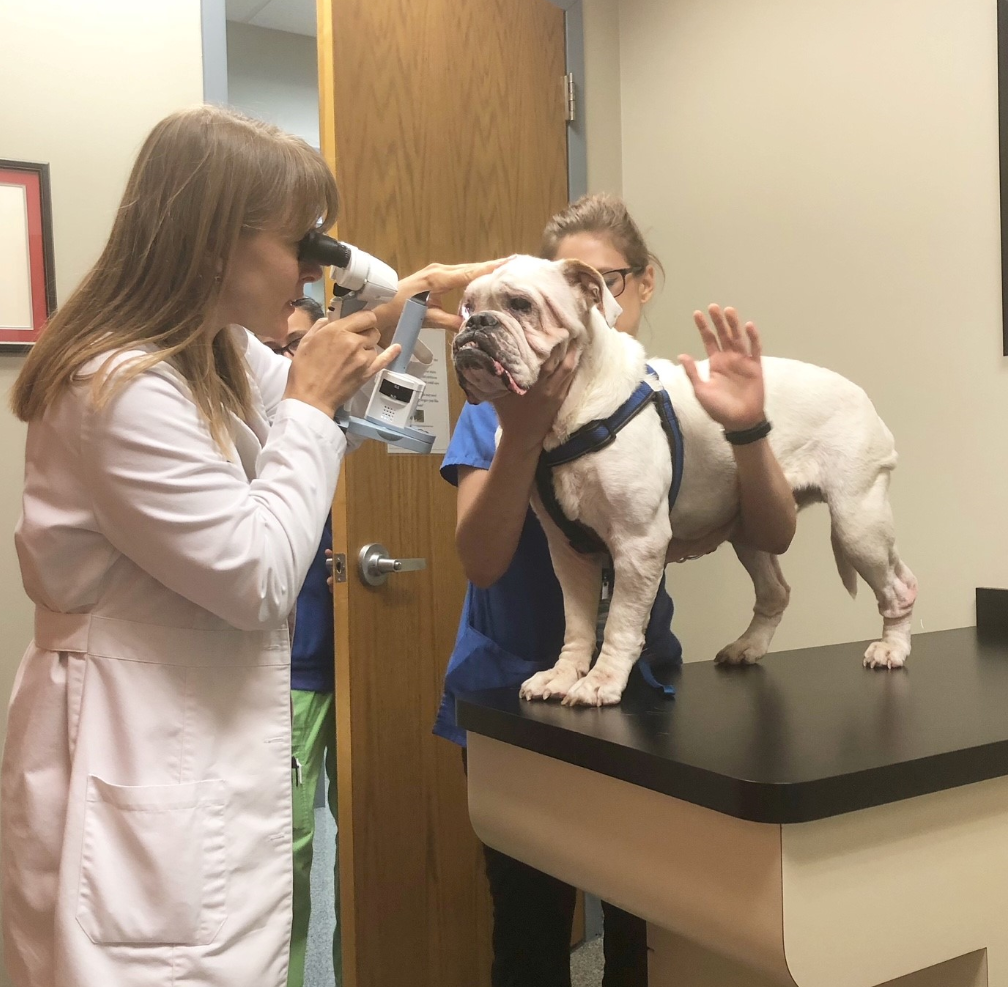
- A licensed veterinarian who specializes in the breed is highly recommended, especially for surgeries procedures that require anesthesia. Bulldogs can have an adverse and deadly reaction to certain anesthetics.
Temperament
- Bulldogs can be stubborn, protective and domineering.
- Bulldog owners must be committed to obedience training and must be willing to be patient and flexible with a bulldog.
As much as the volunteers of IBR love this amazing breed, we hope that one day there is no longer a need for bulldog rescues. Before adding a bulldog to your family, we encourage you to carefully research the breed and commit yourself to providing your bulldog with a lifetime of care and love that they need.
About Us
All of our volunteers have full time jobs, families and other commitments, but we continue to make room in our hearts and homes for unwanted and neglected bulldogs in need of rescue.